Location
Gayathri Amman Koil St, Chidambaram, Tamil Nadu 608001, India
Why visit? This historic temple offers a quieter and more intimate experience than Chidambaram’s larger temple complexes. Its distinctive story, two principal forms of the Goddess and surviving stone details make it an important stop for spiritual and heritage travellers.
A Powerful Temple with a Different Side of Chidambaram
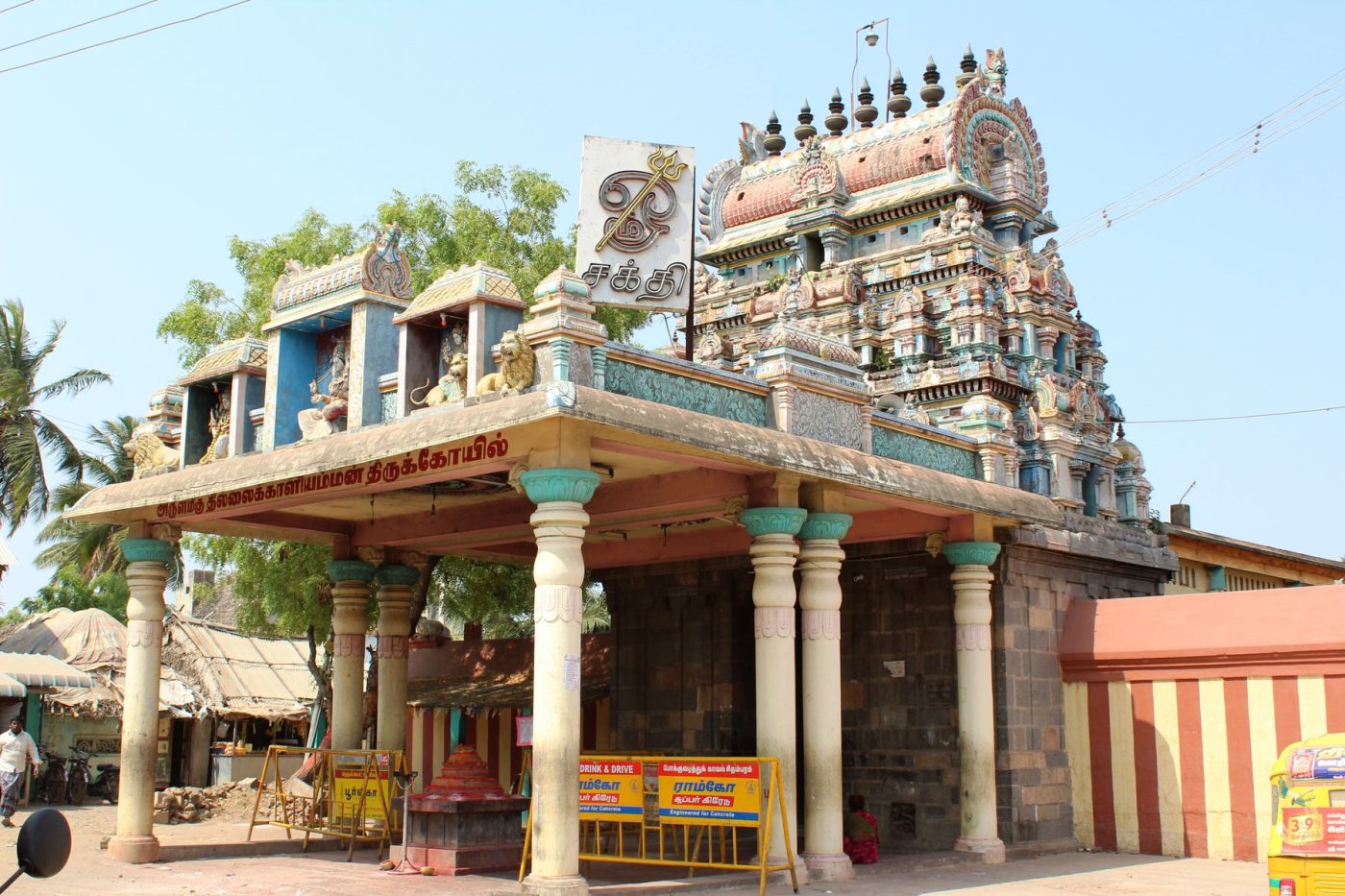
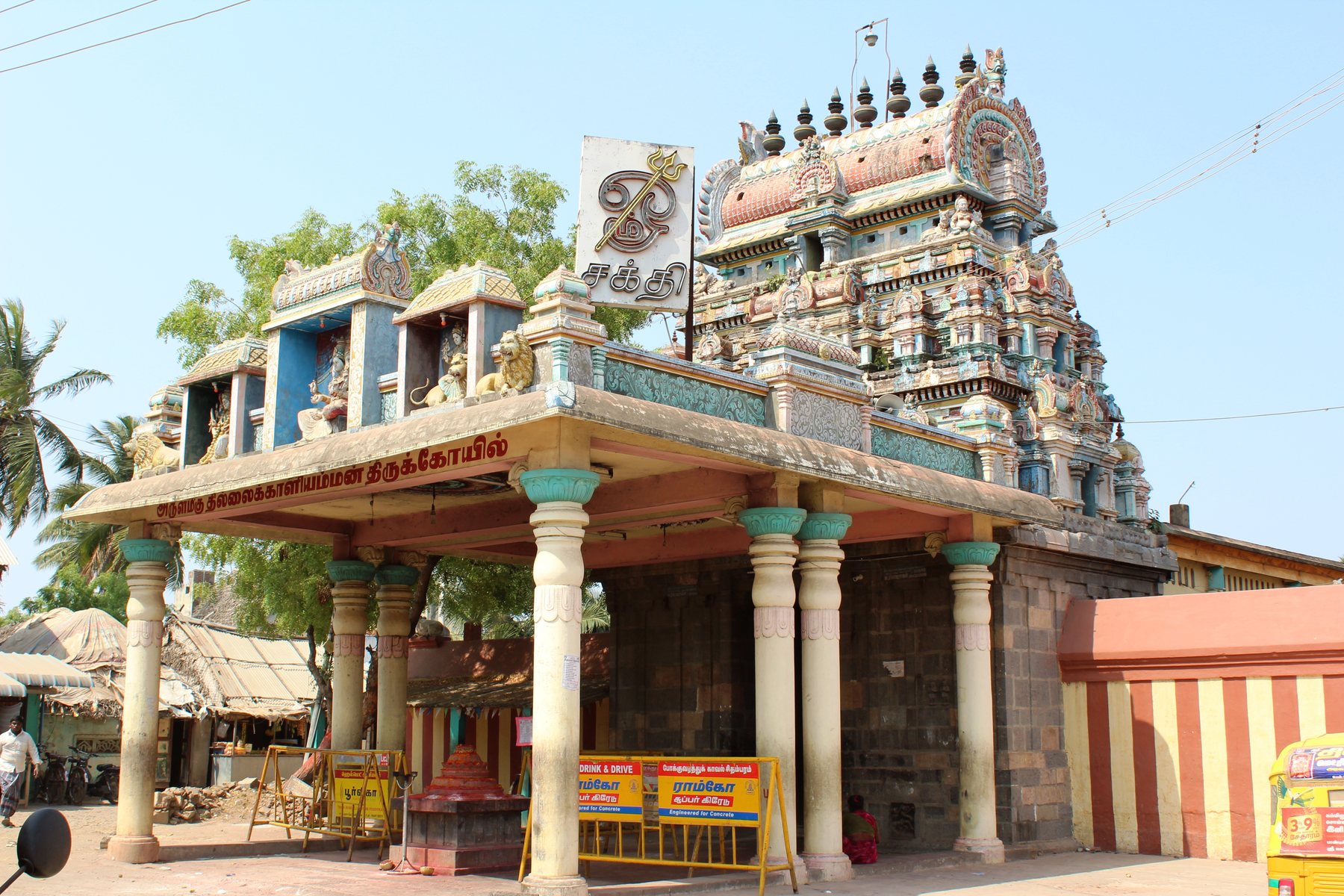
Chidambaram is best known for the Thillai Nataraja Temple, but the town also has an ancient shrine dedicated to Goddess Kali. Thillai Kali Amman Temple stands on the outskirts of Chidambaram in Cuddalore district, Tamil Nadu.
The temple is an active place of worship as well as a heritage attraction. It is especially interesting because visitors encounter the Goddess in two contrasting forms: a fierce form associated with Thillai Kali and a calmer four-faced form known as Thillai Amman or Brahma Chamundi.
The temple is smaller than the Nataraja Temple, making it easier to explore slowly. Its devotional atmosphere, colourful entrance, stone walls and sculptural details create a memorable experience without requiring a long visit.
Quick Visitor Overview
| Information | Details |
|---|---|
| Place | Thillai Kali Amman Temple |
| Location | Chidambaram, Cuddalore district, Tamil Nadu, India |
| Attraction Type | Hindu temple, pilgrimage place and heritage attraction |
| Main Deity | Goddess Kali, also worshipped here as Thillai Amman or Brahma Chamundi |
| Historical Period | The present shrine is generally associated with the 13th century |
| Known For | The traditional Shiva–Kali dance story and the two principal forms of the Goddess |
| Opening Hours | Confirm the current schedule locally before visiting |
| Photography | Follow current signs and instructions from temple personnel |
Why Is the Temple Called Thillai Kali?
Thillai is the ancient name associated with Chidambaram. Kali refers to the powerful form of the Goddess worshipped at this shrine.
According to the temple’s traditional story, Shiva and Kali took part in a celestial dance contest. Shiva performed the Urdhva Tandava, a dance posture in which one leg is lifted high. Kali acknowledged defeat and moved beyond the traditional boundary of Thillai, settling at the place where the temple now stands.
This story is part of the temple’s sacred tradition. It also connects Thillai Kali Amman Temple closely with the dance heritage of Chidambaram and the nearby Nataraja Temple.
What Makes Thillai Kali Amman Temple Special?
Two Contrasting Forms of the Goddess
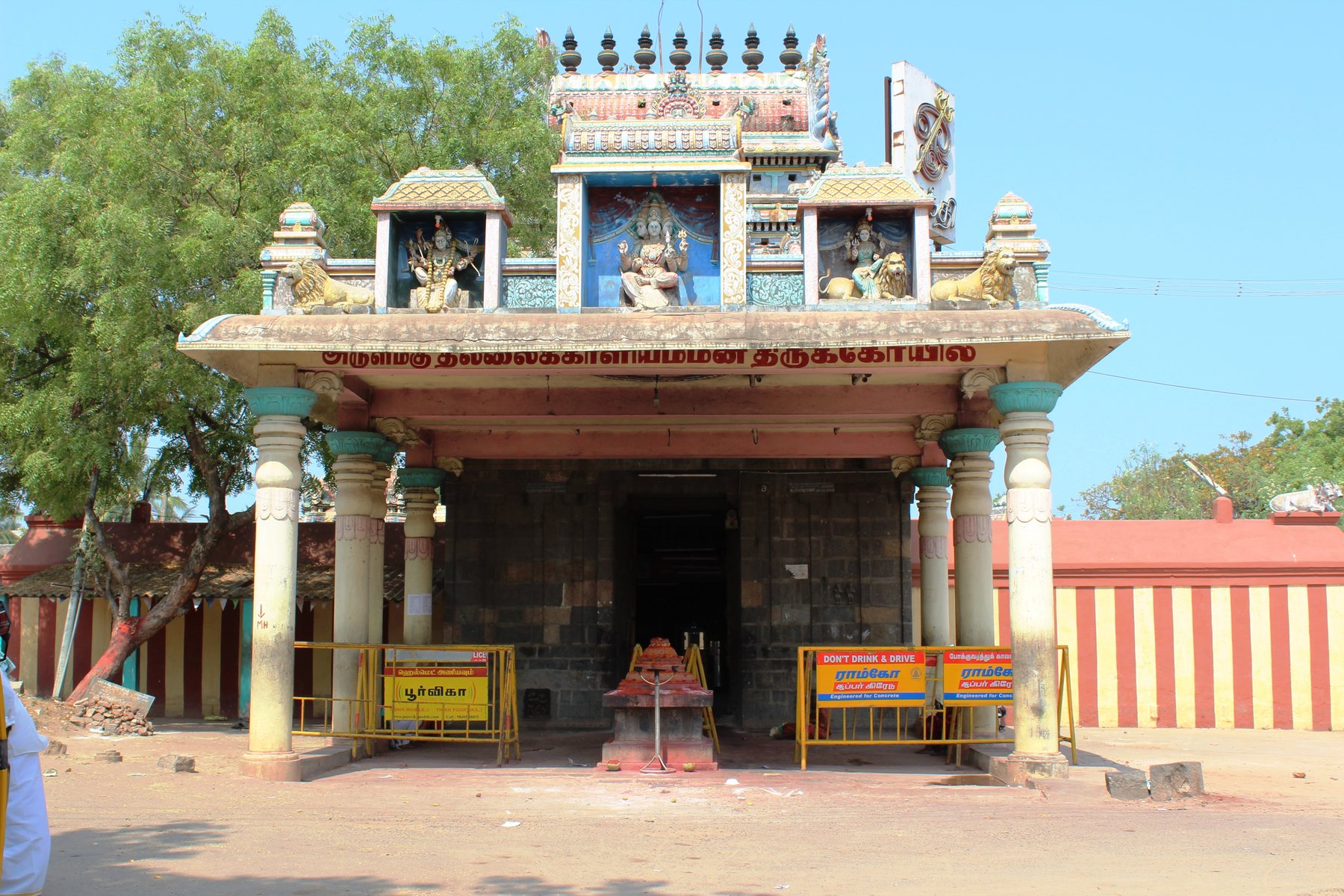
One of the most distinctive features of the temple is the presence of two principal manifestations of the Goddess.
- Thillai Kali Amman: worshipped in a fierce and powerful form.
- Thillai Amman or Brahma Chamundi: represented in a calmer form with four faces.
Temple tradition explains that Brahma praised and worshipped the Goddess, calming her anger. The four faces of Brahma Chamundi are traditionally associated with the four Vedas.
A Historic 13th-Century Shrine
The present temple is generally dated to the 13th century and is associated with the ruler Kopperunjingan. Inscriptions at the site preserve older names for the Goddess and help establish the temple’s historical importance.
Although later repairs and changes may be visible, the dark stone base, sculptural details and traditional layout still give visitors a strong sense of the temple’s age.
A More Personal Temple Experience
Thillai Kali Amman Temple does not have the vast scale of the nearby Nataraja Temple. That difference is part of its appeal.
Visitors can spend more time observing the entrance sculptures, stonework and shrine arrangement without walking through an enormous complex. The atmosphere often feels direct, devotional and closely connected with local worship.
What Can Visitors Explore?
The Entrance and Gopuram
Begin by standing back and viewing the temple entrance as a complete structure. The painted upper sections, deities and ornamental forms create a colourful contrast with the darker masonry below.
When approaching the entrance, look at the smaller figures and decorative details rather than focusing only on the main tower.
The Principal Shrines
The two main forms of the Goddess are central to the experience. Move quietly, observe the direction of worshippers and follow instructions around the sanctum areas.
Access to the innermost spaces may be restricted according to temple practice. Visitors should not cross barriers or enter areas that are not clearly open to the public.
Stone Sculptures and Wall Details
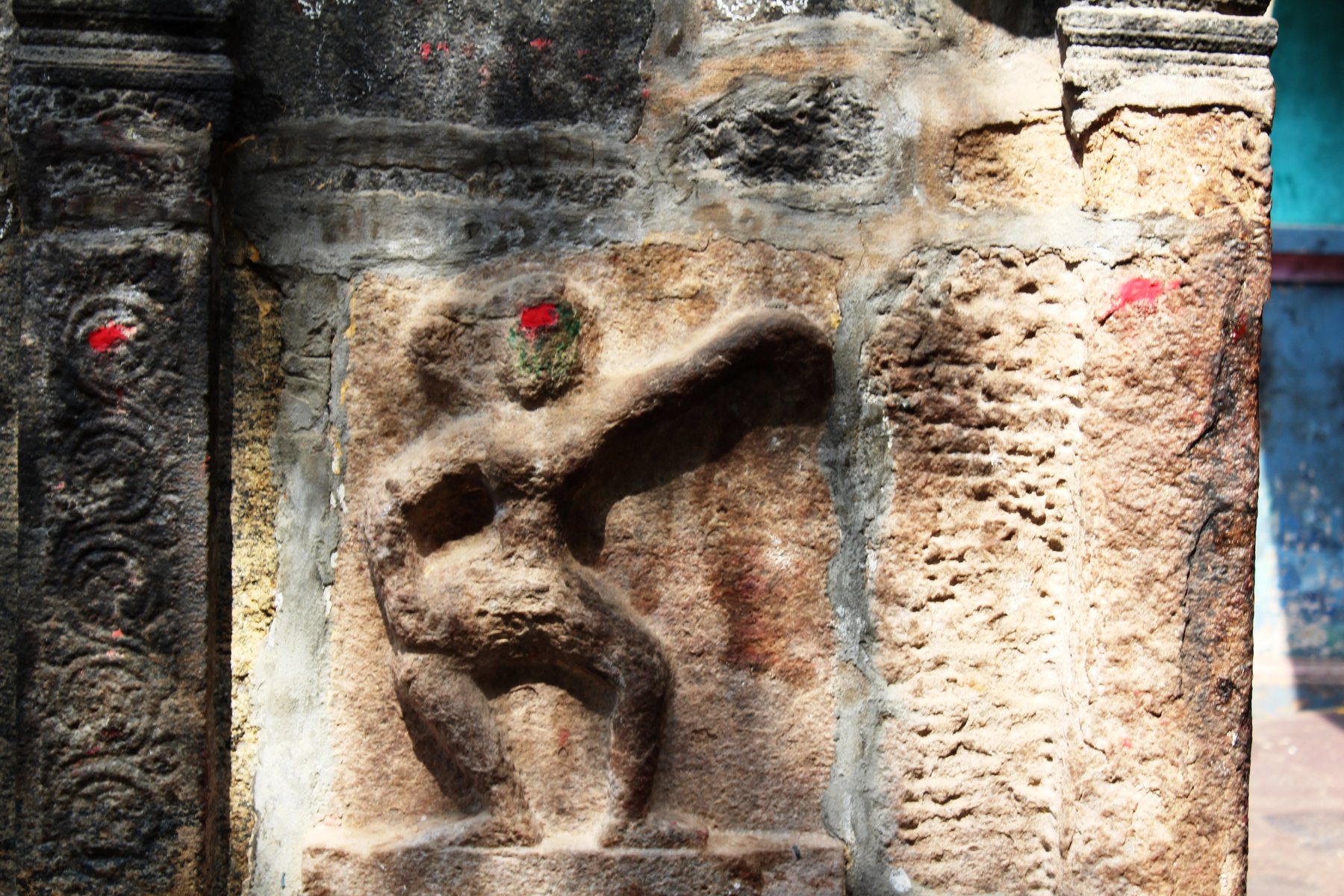
The temple’s outer walls contain sculptural details that are easy to miss. Some have been softened by age, weather and repeated devotional use.
These carvings are valuable because they allow visitors to see the temple at a human scale. Instead of viewing only a large façade, you can examine individual figures, gestures and ornamental borders.

The Courtyard Atmosphere
The temple courtyard provides space to pause between shrines. Depending on the time of day, visitors may encounter regular worship, offerings and local devotees arriving for prayer.
Remember that the courtyard is part of a functioning religious space. Walk carefully, keep voices low and avoid interrupting ceremonies.
A Simple Way to Explore the Temple
- Observe the exterior first. View the entrance, gopuram and boundary walls before going inside.
- Remove footwear where required. Follow the established temple practice and local signs.
- Visit the principal shrines respectfully. Allow worshippers to proceed without blocking queues or entrances.
- Study the stone details. Look along the walls for smaller reliefs and figures.
- Pause before leaving. Take a final look at the entrance from the courtyard or street to appreciate the complete structure.
How Much Time Should You Allow?
The temple can usually be explored as a shorter stop within a Chidambaram itinerary. The actual duration depends on worship queues, ceremonies and how much time you spend observing the architecture.
Avoid planning an extremely tight schedule. Religious services and festival activity can affect access and waiting times.
Visitor Etiquette
- Wear modest clothing suitable for a place of worship.
- Remove footwear before entering areas where it is required.
- Keep voices low near the principal shrines.
- Do not block devotees waiting for darshan.
- Follow all current photography restrictions.
- Do not photograph worshippers or ceremonies without permission.
- Avoid touching sculptures, sacred objects and decorated surfaces.
- Follow instructions from authorised temple personnel.
Planning note: Temple schedules, access rules and festival arrangements can change. Confirm current details locally before travelling, especially when visiting during an important religious period.
Combine It with Other Chidambaram Attractions
Thillai Nataraja Temple
The famous Nataraja Temple is the natural companion to a visit to Thillai Kali Amman Temple. Together, the two temples help visitors understand the dance tradition and sacred stories associated with Chidambaram.
Pichavaram Mangrove Forest
Pichavaram offers a change from temple sightseeing. Visitors can explore mangrove waterways through authorised boating services, subject to local conditions and availability.
Explore Local Marketplace Listings
MJ Marketplace can connect this article with useful Chidambaram listings, including hotels, vegetarian restaurants, local transport, tour services and shops selling religious or traditional items.
Travellers should check the latest operating information, reviews and booking conditions before choosing a provider.
Frequently Asked Questions
Where is Thillai Kali Amman Temple?
The temple is located on the outskirts of Chidambaram in Cuddalore district, Tamil Nadu, India.
Who is worshipped at the temple?
The temple is dedicated to Goddess Kali. The Goddess is worshipped in a fierce form as Thillai Kali and in a calmer four-faced form as Thillai Amman or Brahma Chamundi.
How old is the temple?
The present shrine is generally associated with the 13th century and with the ruler Kopperunjingan.
What is the Shiva and Kali dance story?
According to temple tradition, Shiva and Kali competed in a celestial dance. Shiva performed the Urdhva Tandava posture, and Kali later settled at the place associated with this temple.
Is this the same as Thillai Nataraja Temple?
No. They are separate temples in Chidambaram. Thillai Nataraja Temple is dedicated to Shiva as Nataraja, while Thillai Kali Amman Temple is dedicated to the Goddess.
Can tourists enter the temple?
Visitors may enter areas open to the public, subject to current temple rules and religious restrictions.
Is photography allowed?
Photography rules may differ between exterior, courtyard and shrine areas. Follow displayed signs and instructions from temple personnel.
Are opening hours fixed?
Temple schedules can change, particularly during ceremonies and festivals. Confirm current opening arrangements locally before visiting.
How long should visitors spend here?
It is suitable for a shorter temple visit, but allow extra time when ceremonies, queues or festival activities are taking place.
What nearby places can be visited on the same day?
Thillai Nataraja Temple and Pichavaram Mangrove Forest are two relevant additions to a Chidambaram itinerary.
Conclusion
Thillai Kali Amman Temple adds an important dimension to a visit to Chidambaram. It introduces travellers to a powerful Goddess tradition, a historic 13th-century shrine and a sacred story closely connected with dance.
The temple’s greatest attraction is not its size. It is the contrast between the fierce and peaceful forms of the Goddess, the intimate atmosphere of the complex and the small architectural details that reveal themselves during a slow walk.
Visit respectfully, avoid rushing and combine the temple with other Chidambaram heritage attractions for a more complete understanding of the town’s spiritual identity